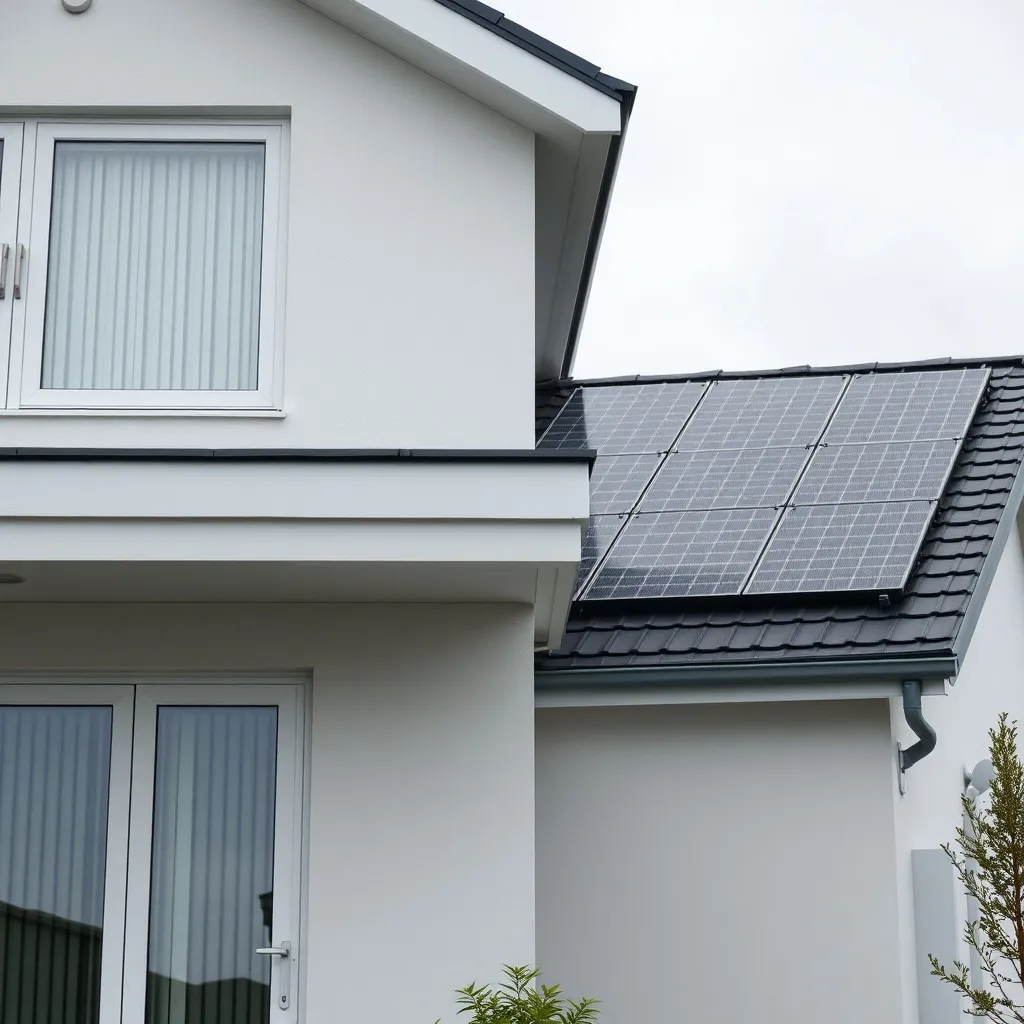
A high-quality architectural close-up of a modern home exter

Home Resource Optimization

Effective management of domestic utilities requires technical precision and data-driven decisions. We analyze consumption patterns to reduce waste without compromising functional comfort.

Utility Data Analysis

Technical Auditing

Systematic evaluation of water and thermal loss through structural inspection.

Metrics

Real-time consumption tracking.

Core Optimization Pillars

Efficiency is not about using less, but about eliminating systemic waste. By focusing on three primary vectors—thermal retention, fluid dynamics, and electrical load balancing—homeowners can achieve a significant reduction in monthly operational expenditures. Consistent monitoring provides the baseline for all upgrades.

Electrical Load Balancing

Managing peak demand cycles prevents unnecessary surcharges. Implementing automated scheduling for high-wattage appliances ensures consumption occurs during off-peak hours. This simple shift reduces the overall grid strain and lowers individual bills.

Electricity Cost Reduction

Fluid System Efficiency

Low-flow fixtures and pressure regulators are fundamental to modern water management. Small leaks often go undetected but can account for a 10% increase in water volume. Regular pressure checks and aerator maintenance are essential protocols.

Water Usage Auditing

Thermal Envelope Integrity

The majority of energy loss occurs through poor insulation and unsealed apertures. Upgrading weather-stripping and verifying R-values in attic spaces creates a stable internal microclimate. This reduces the frequency of HVAC cycling and prolongs equipment life.

Thermal Performance

Systematic Maintenance Checklist

Quarterly Seal Inspection

Examine window sills and door frames for micro-cracks. Air infiltration is the primary cause of heating inefficiency during colder months. Use a thermal leak detector or a simple smoke test to identify areas where the structural envelope has been compromised. Timely application of silicone sealant prevents long-term moisture damage and heat loss.

READ TECHNICAL LOG →

Sediment Management in Heaters

Mineral buildup in water heaters reduces thermal transfer efficiency. Flushing the tank annually removes these deposits, ensuring the heating element operates at peak performance. This procedure can extend the lifespan of the unit by several years and reduce the energy required to reach target temperatures.

READ TECHNICAL LOG →

Advanced HVAC Filtration

Restricted airflow forces fans to work harder, increasing electrical consumption and wearing out the motor. High-efficiency MERV filters capture more particulate matter but require more frequent changes. Monitoring the static pressure across the filter is the most accurate way to determine the optimal replacement timing.

READ TECHNICAL LOG →

Service Interval Schedule

System Component Action Required Interval
HVAC Filters Replacement / Cleaning 90 Days
Water Aerators Descaling / Inspection 180 Days
Thermostat Calibration Sensor Accuracy Check Annually
Attic Insulation Depth Verification 2 Years

Optimization Protocol

The objective of Linvorin is to provide a structured approach to home management. We emphasize preventative maintenance over reactive repairs. By following a rigid schedule, homeowners can mitigate the risk of catastrophic failure and stabilize utility costs regardless of seasonal fluctuations.

  • 1 Baseline Audit: Establish current consumption levels.
  • 2 Gap Analysis: Identify structural and behavioral inefficiencies.
  • 3 Implementation: Execute technical upgrades based on ROI.
Start Financial Analysis

Ready to analyze your utility spend?

Access our detailed frameworks for reducing electricity, water, and heating costs through technical optimization.

Get weekly updates

Once a week we send a digest of the best articles.