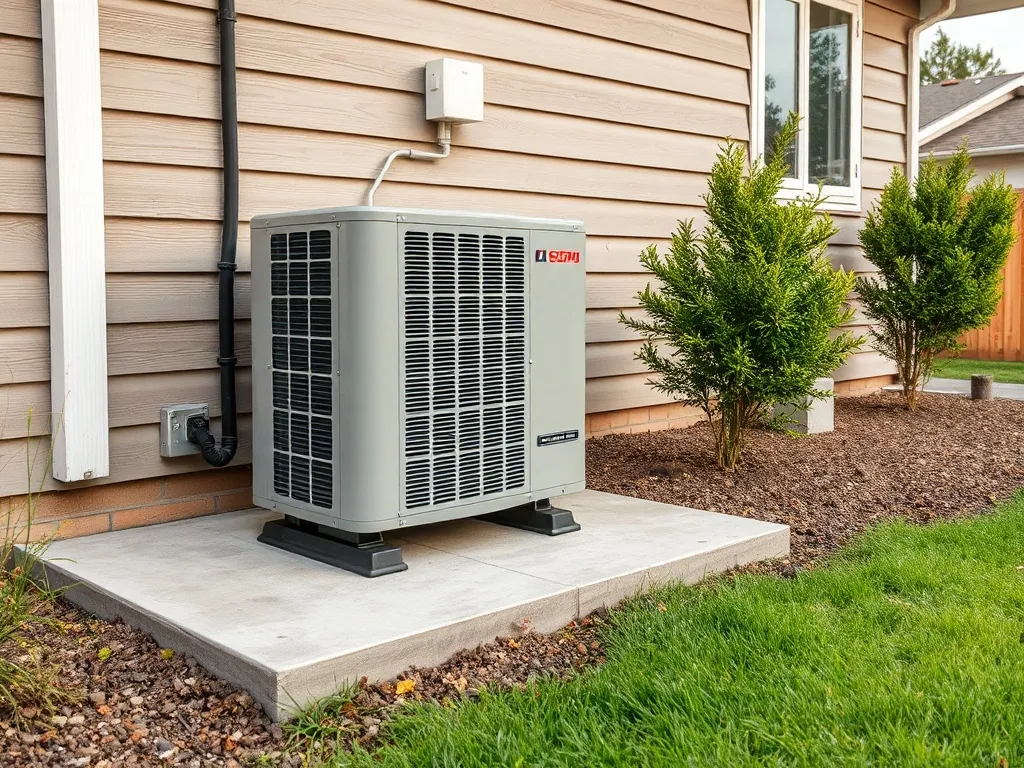
Managing climate control systems requires a dual approach: mechanical maintenance and thermal boundary integrity. A dirty evaporator coil or a clogged air filter can increase energy consumption by up to 15% as the blower motor works harder to move air against resistance. We recommend a monthly inspection of MERV-rated filters to ensure laminar airflow and prevent system "short-cycling."
Thermostat calibration is equally critical. For every degree you raise the temperature in summer (or lower in winter), you can impact your bill by 3%. Utilizing programmable logic controllers (PLCs) or smart thermostats allows for "setback" periods when the residence is unoccupied, ensuring that energy is not wasted on maintaining tight tolerances in empty rooms.
"Thermal efficiency is not just about the machine; it is about the envelope it operates within."
Check ductwork for pneumatic leakage. In many older installations, up to 20% of conditioned air is lost to unconditioned attic spaces or crawlspaces through loose joints. Sealing these with mastic or foil tape is a high-impact, low-cost optimization step that should be prioritized before considering unit replacement.