Average reduction in monthly utility costs achieved through systematic leak detection and flow regulation.
Water Usage
Auditing
Technical protocols for domestic water conservation, leak detection, and hydraulic optimization. Practical engineering for household efficiency.
Gallons of water lost annually by a single dripping faucet at a rate of one drip per second.
Energy savings on water heating costs when implementing thermal pipe insulation protocols.
Leak Detection Protocol
Silent leaks are the primary cause of resource waste in residential plumbing. A standard toilet leak can consume up to 200 gallons of water per day without making an audible sound. Systematic auditing requires a dedicated inspection of every junction, valve, and fixture within the property boundary. We recommend a "static pressure test" where all outlets are closed and the main meter is monitored for 30 minutes. If the meter dial moves, a pressurized leak exists within the system.
Identifying subsurface leaks involves checking for damp spots on walls, musty odors in cabinets, or unexplained lush patches in outdoor landscaping. For internal fixtures, the dye test remains the most effective method for detecting flapper valve failures in toilets. Simply place a non-permanent dye tablet in the tank and wait 15 minutes. Any color appearing in the bowl indicates a faulty seal that requires immediate replacement to prevent further financial loss.
Critical Inspection Checklist:
- Main shut-off valve integrity check
- Toilet tank dye penetration test
- Water heater pressure relief valve drainage
- External faucet frost-damage assessment
- Appliance hose connection (washer/dishwasher) stability
Advanced auditing involves the use of acoustic leak detectors and thermal imaging. These tools identify the sound of pressurized water escaping pipes or the temperature variance caused by moisture buildup behind drywall. Early detection prevents structural damage and mold growth. Regular auditing is a core component of Preventive Maintenance strategies aimed at long-term property preservation.
Flow Restrictor Engineering
Flow rates in domestic fixtures are often set to excessive levels, leading to unnecessary volumetric consumption. Standard kitchen faucets often operate at 2.2 gallons per minute (GPM), whereas 1.5 GPM is sufficient for 95% of household tasks. Aerators and flow restrictors work by mixing air into the water stream, maintaining perceived pressure while significantly reducing the actual volume of water discharged. This simple mechanical adjustment provides immediate ROI without modifying user behavior.
Showerheads represent the highest point of potential savings. High-efficiency models utilize Venturi effects to create a powerful spray using only 1.75 GPM compared to the traditional 2.5 GPM. Over a 10-minute shower, this saves 7.5 gallons of potable water. When multiplied by the number of occupants and days in a year, the total savings exceed 2,700 gallons per person. This reduction also impacts the load on the water heater, effectively lowering Electricity Cost Reduction targets.
"The most efficient gallon of water is the one that never leaves the fixture. Mechanical restriction is the only way to ensure permanent savings regardless of occupant habits."
Hydraulic Thermal Performance
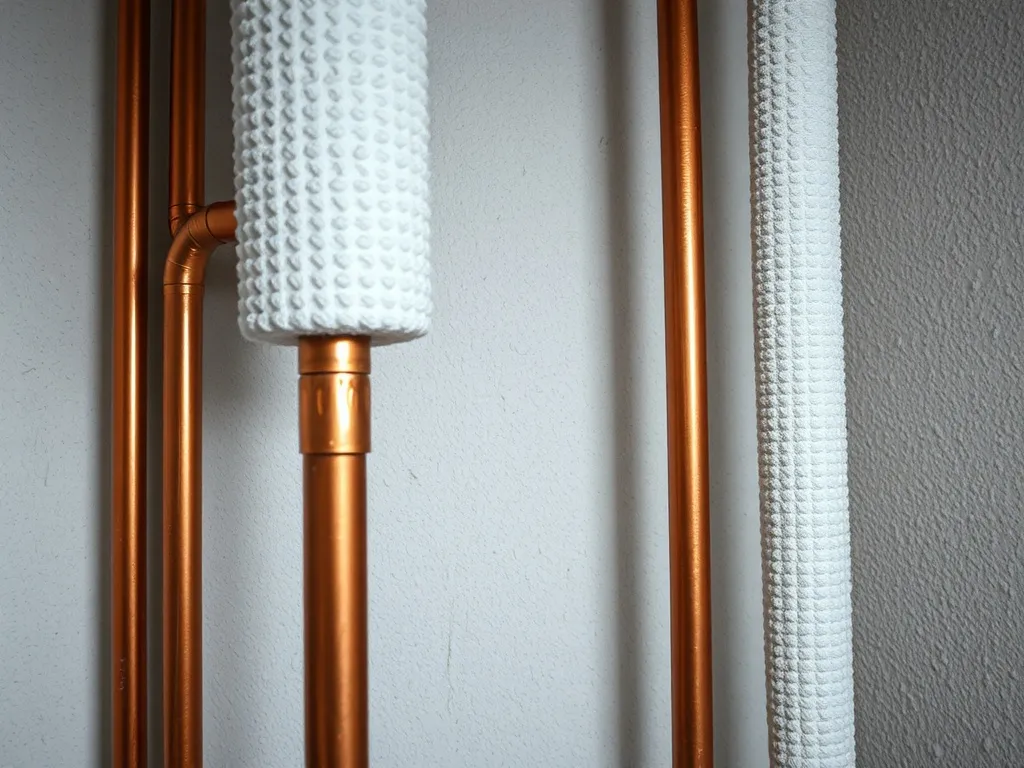
Thermal loss during water transport is a major inefficiency. Heat dissipates through the walls of uninsulated copper or PEX piping as hot water travels from the heater to the faucet. This results in the "wait time" at the tap, where gallons of cooled water are flushed down the drain before the desired temperature is reached. Insulating the first 5-10 feet of piping from the water heater is the most critical intervention to maintain standby temperatures.
Using closed-cell polyethylene foam or fiberglass pipe sleeves reduces heat loss by up to 4 degrees during transit. This allows for a lower set-point on the water heater itself, typically 120°F (49°C), which is sufficient for sanitation while preventing scalding. For more comprehensive optimization, homeowners should consider Thermal Performance audits that include water storage tank jackets and recirculating pump timers to eliminate the need for flushing cold lines.
Consumption Tracking Cards
Meter Analytics
Learn how to read analog and digital water meters to verify utility bill accuracy and detect hidden leaks.
Waste Management
Optimizing greywater discharge and understanding the cost of wastewater treatment processes.
Resource Strategy
A holistic approach to managing all household utilities through engineering-first solutions.
Compliance & Safety
Understanding local plumbing codes and the legal requirements for water-saving fixture installation.
Ready to Audit?
Start with the basic meter check today. Identifying a single leak can pay for a professional audit within three months.