Waste Stream Management.

Technical protocols for residential refuse reduction and resource recovery. Optimize your domestic output through systematic sorting.

View Protocols
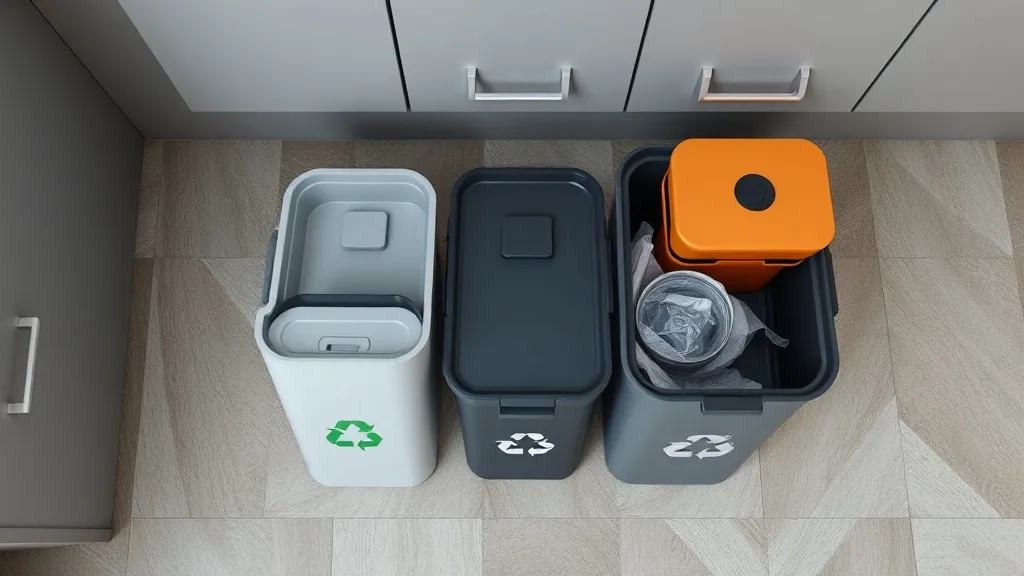
A minimalist, top-down view of organized recycling bins in a

Systematic Home Auditing.

Residential waste management is not merely a task of disposal but a critical component of Home Resource Optimization. Every kilogram of refuse represents a failure in the resource cycle. By analyzing the composition of your household output, you can identify significant financial leaks. Most households pay for weight-based removal services, meaning that reducing volume directly correlates with lowered utility expenditures.

We categorize domestic waste into four primary streams: organics, recyclables, hazardous materials, and landfill residue. A standard urban residence generates approximately 1.2 kilograms of waste per person daily. Implementing a structured sorting system can divert up to 75% of this mass from landfills. This transition requires specific infrastructure—dedicated containers, clear labeling, and a commitment to processing intervals.

Composting Efficiency

Organic matter constitutes 30% of average household waste. High-efficiency composting involves maintaining a carbon-to-nitrogen ratio of 30:1. Use aerobic bins to prevent methane formation.

Learn moisture control

Sorting Rules

Contamination is the primary cause of recycling rejection. Papers must be dry; plastics must be rinsed of fats/oils. Categorize by Resin Identification Codes (1-7) for processing.

Analyze cost impact

Package Reduction

Prioritize bulk procurement and reusable glass containers. Eliminate single-use polymers (SUPs). Every piece of packaging retained is a future disposal cost eliminated.

Storage maintenance

Hazardous Protocols

Batteries, electronics, and chemical solvents require isolated thermal or chemical treatment. Never integrate these into standard municipal streams to avoid groundwater contamination.

Electronic recycling
"Waste is a design flaw. In a perfectly optimized home, every output becomes the feedstock for another process, turning a linear chain into a closed loop."

Ref: Linvorin Technical Standards v.4.2

Operational FAQ.

How do I verify local plastic processing capabilities?

Consult your municipal waste authority's list of accepted RIC numbers. Many facilities only accept Type 1 (PET) and Type 2 (HDPE). Items marked 3-7 often require specialized regional drop-off centers. Utilizing Utility Data Analysis helps track the cost-benefit of private vs. municipal hauling.

What prevents indoor compost odors?

Anaerobic conditions cause odor. Ensure your bin has proper ventilation and use a "brown" layer (dry leaves or shredded paper) on top of every "green" (food scrap) addition. This maintains the oxygen flow and carbon balance necessary for odorless decomposition.

Is high-heat incineration safe for home use?

Residential-scale incineration is generally prohibited in urban zones due to particulate emissions and lack of scrubbers. Focus on Thermal Performance improvements to reduce the need for energy generation from waste, opting instead for professional processing.

Why is paper recycling limited?

Paper fibers shorten each time they are processed. After approximately five to seven cycles, they become too weak to form new paper. Avoid recycling paper contaminated with food (like pizza boxes), as oils cannot be separated during the pulping process and ruin the batch.

Master your home resource cycles today.

The Linvorin web platform serves as an autonomous engineering reference and informational project. This site operates independently and maintains no formal affiliation, partnership, or endorsement agreements with any government departments, public utility organizations, commercial waste management suppliers, or private consumer brand manufacturers. All methodologies provided are for technical educational purposes.