Maintenance Engineering

Preventive Home Systems Maintenance.

Technical protocols for reducing emergency repair costs and maximizing resource efficiency through scheduled mechanical oversight.

Cost Mitigation

Data from residential energy audits indicates that proactive mechanical tuning reduces sudden equipment failure by 42%. By addressing minor wear in HVAC and plumbing systems, homeowners avoid the steep logistical premiums associated with emergency call-outs.

Operational Lifespan

Standard boiler and furnace units are engineered for a 15-year cycle, but sediment accumulation often restricts this to 10. Routine flushing and thermal inspection extend service life by approximately 25%, delaying significant capital expenditure.

Resource Efficiency

Clogged filters and scaled pipes force pumps to operate at 15-20% higher loads to maintain output. Regular calibration ensures that water and electrical consumption remain within the manufacturer's specified performance parameters.

Seasonal Infrastructure Protocols

Effective maintenance is predicated on timing. Seasonal transitions expose different vulnerabilities in a building's envelope and internal systems. For instance, the expansion and contraction of thermal seals during autumn require a specific audit protocol that differs significantly from spring drainage assessments.

A rigorous approach involves documenting every inspection. Keeping a technical log of pressure readings, flow rates, and replacement dates allows for predictive modeling of when a component might fail, moving the household from a reactive to a proactive financial stance.

  • Q1: HVAC compressor lubrication and coolant check.
  • Q2: External drainage and gutter integrity audit.
  • Q3: Thermal insulation and weather-stripping review.
  • Q4: Internal heating circulation and boiler descaling.
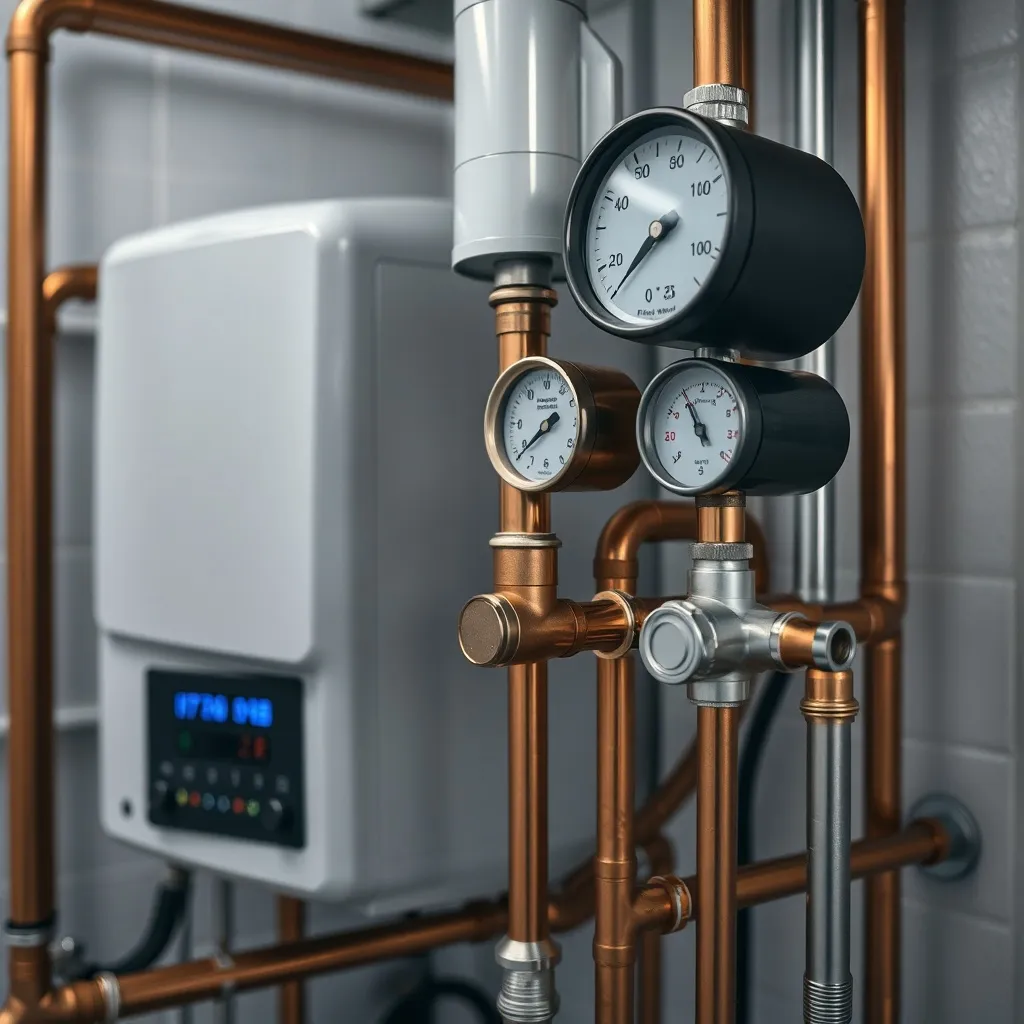
A technical close-up of a modern heating boiler system with
Central heating unit undergoing annual pressure calibration and valve inspection.

Standard Filtration Replacement Cycles

System Category Filter Type Recommended Interval Efficiency Impact
HVAC / Air MERV 8-11 Pleated 90 Days +15% Airflow
Water Supply Sediment / Carbon 6 Months -10% Pump Load
Ventilation Grease / Mesh 30 Days (Clean) Fire Safety
Appliances Refrigerator Water 6 Months Pure Quality

Note: High-occupancy households or those with pets should reduce air filter replacement intervals to 60 days to prevent static pressure buildup in the blower motor, which can lead to premature electrical failure.

Drainage and Hydrological Management

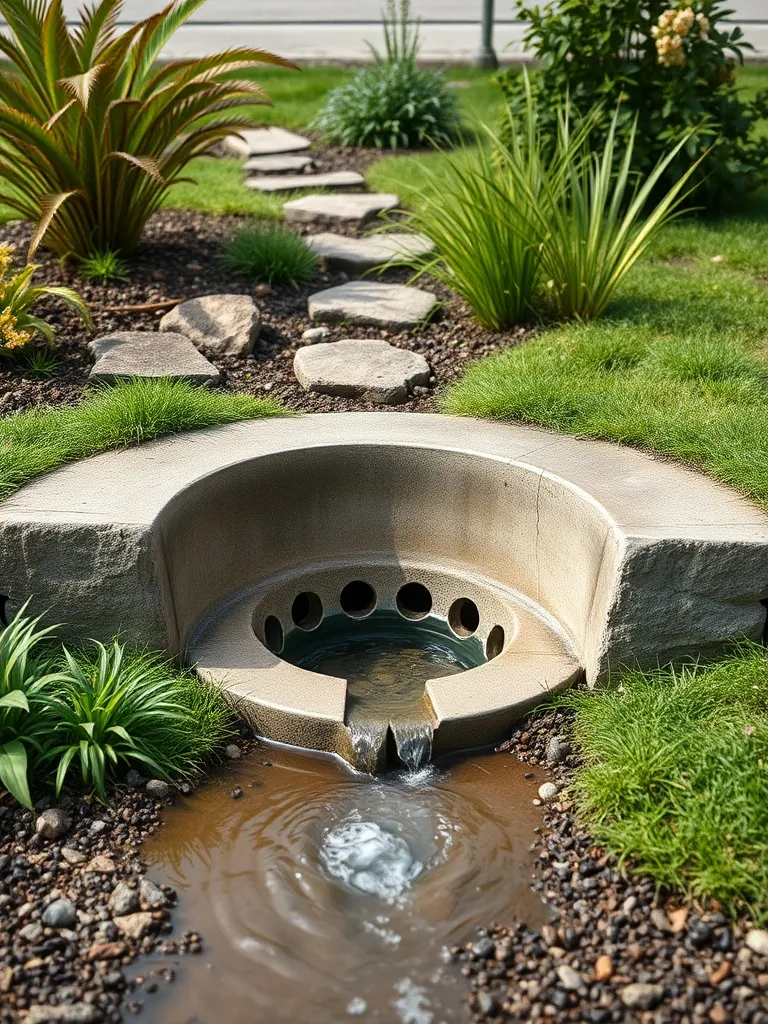
Water damage is the single largest contributor to structural depreciation. A functioning drainage system must be treated as a critical barrier against moisture ingress. Cleaning gutters is merely the first step; a full audit includes verifying the pitch of downspouts and ensuring that runoff is directed at least six feet away from the foundation.

In internal plumbing, the build-up of bio-matter and mineral deposits in P-traps and main stacks leads to reduced flow capacity. We recommend a semi-annual mechanical cleaning of high-traffic drains. Refer to our Water Usage Auditing guide for more details on detecting invisible leaks through meter monitoring.

Technical Statistic

90%

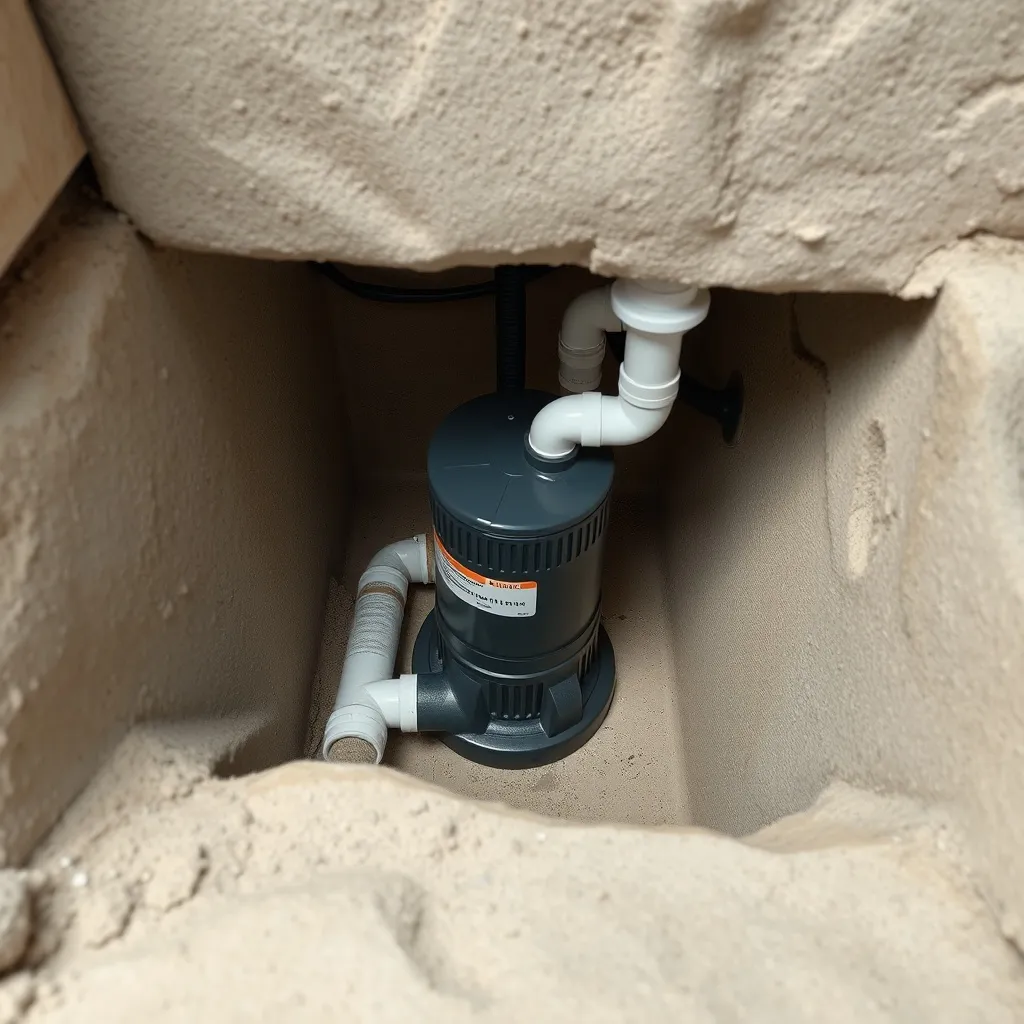
of basement flooding incidents are preventable through routine sump pump testing and gutter clearance.

A close-up of a clean metal gutter on a modern roof with aut Professional plumbing tools including a pipe wrench and drai A modern sump pump installed in a clean basement pit with PV A concrete drainage outlet in a landscaped garden showing pr

Essential Maintenance Inventory

01. Diagnostic

Infrared Thermometer

Used for identifying heat loss through seals and detecting overheating in electrical panels.

02. Mechanical

Adjustable Torque Wrench

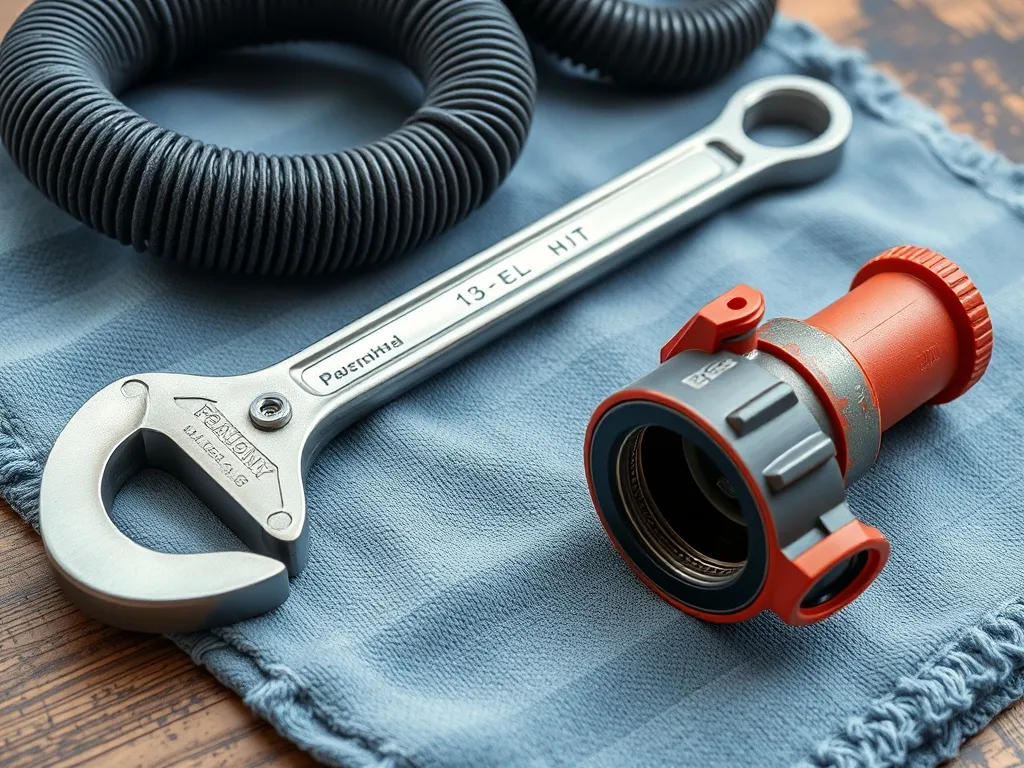
Ensures plumbing fittings are tightened to manufacturer specifications without stripping threads.

03. Calibration

Manometer

Vital for measuring gas pressure in heating systems and ensuring balanced ventilation flow.

04. Safety

Multimeter

Essential for testing circuit continuity and voltage levels during appliance troubleshooting.

Ready to optimize your home budget?

Maintenance is just one pillar of resource efficiency. Explore our data analysis techniques to track your progress.

Disclaimer: The published articles summarize publicly available information, industry research, and educational materials, are reference-only and do not constitute professional financial or engineering recommendations. Homeowners should consult certified technicians for specific structural or mechanical repairs.

Get weekly updates

Once a week we send a digest of the best articles.